Films
Comparison route: /completedfilms-fixed
Comparison route: /completedfilms-fixed
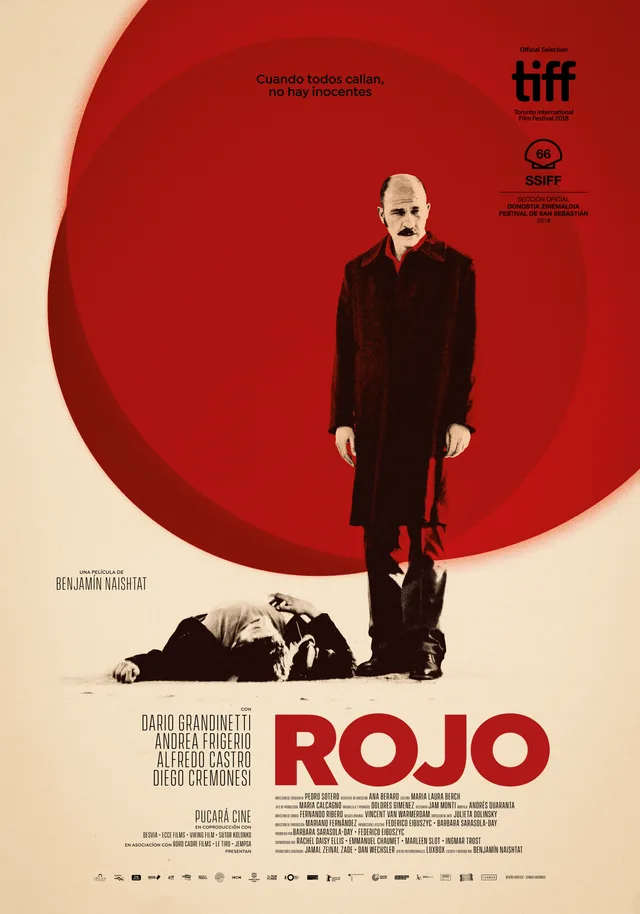
Set in Argentina in the mid-70s, a stranger arrives in a quiet provincial town. In a restaurant, for no apparent reason, he sets about attacking Claudio, a well-known lawyer. The community supports the lawyer and humiliates the stranger, who is thrown out. Later, on the way home, the man intercepts Claudio and his wife Susana once again, determined to wreak his terrible revenge on Claudio. The lawyer therefore sets out on a road of no-return, of death, secrets and silences.
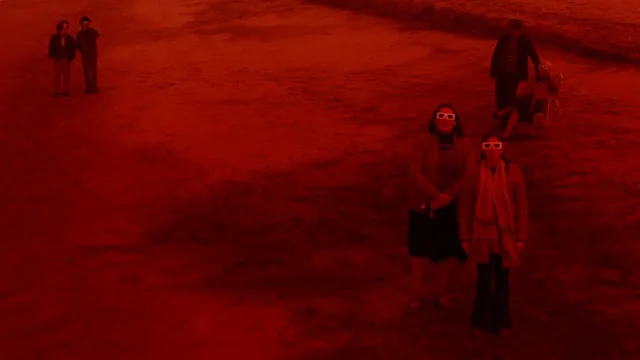
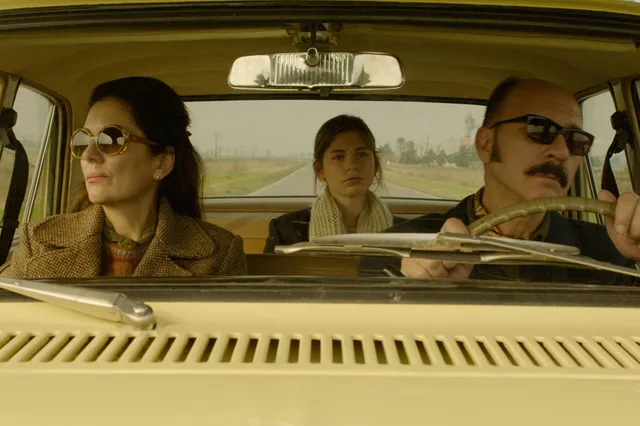
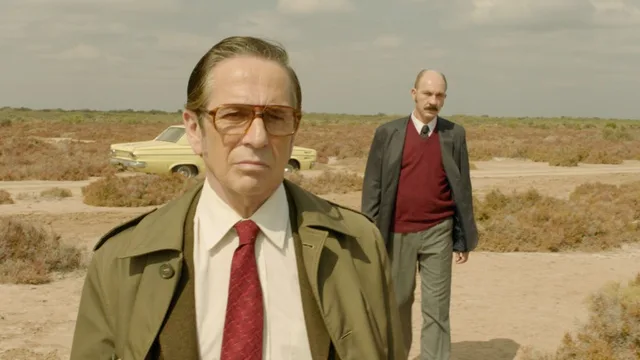
The inspiration for "Rojo" came from Argentina in the 1970s, a time of looming dictatorship and moral collapse. Through the story of a lawyerWhen I made Rojo, I wanted to portray the quiet moral decay that precedes open violence. Set in 1970s Argentina, just before the dictatorship, the film follows an ordinary man whose small act of arrogance sets off a chain of consequences. I was interested in how complicity begins—not with grand ideology, but with everyday cowardice and self-interest. The muted colors and controlled performances reflect a society already suffocating beneath unspoken tension. The film ultimately suggests that authoritarianism does not arrive suddenly; it grows in the silence and comfort of those who choose not to act.caught in compromise, I wanted to portray how ordinary lives become entangled in authoritarianism. At its core, the film reminds us that silence and convenience can be forms of complicity. The lush colors and unsettling calm conceal violence just beneath the surface. Rojo encourages audiences to reflect on how societies sleepwalk into repression, and how individuals, by choosing comfort over truth, help sustain injustice.